Beyond the core rituals of Umrah — Ihram, Tawaf, Sa’i, and Halq or Taqsir — lies a profound dimension of pilgrimage that many international visitors cherish deeply: ziyarat, the visitation of sacred historical sites connected to the life of Prophet Muhammad (peace be upon him), his companions, and the foundational events of Islam. These places in Makkah and Madina are not merely tourist destinations; they are living connections to revelation, sacrifice, migration, and the early community of believers.
This expert ziyarat guide for Umrah visitors covers the most important sites in both cities — with historical context, practical visiting tips, and guidance on arranging comfortable transport. Nexa Transports provides dedicated ziyarat tours with experienced drivers who understand the spiritual significance and logistical requirements of each location.
What Is Ziyarat and Why Does It Matter?
The Arabic word ziyarat (زيارة) means “visitation.” In the context of Umrah and Hajj, it refers to visiting places associated with Islamic history — caves where revelation began, battlefields where companions defended the faith, mosques built by the Prophet himself, and cemeteries where his family and companions rest.
Scholars emphasize that ziyarat is not worship of places themselves — worship belongs to Allah alone — but rather a means of reflection, learning, and emotional connection to the Seerah (biography of the Prophet). Standing at the foot of Jabal al-Nour, walking the paths of the Hijrah, or praying in Masjid Quba connects pilgrims to events they have read about their entire lives.
For international Umrah visitors — especially those traveling from Pakistan, the UK, USA, and the Gulf — ziyarat tours transform a ritual-focused trip into a comprehensive educational and spiritual experience. Proper planning ensures you visit the most significant sites without exhaustion or wasted time.
Ziyarat Places in Makkah — Historical Sites
Makkah’s ziyarat sites center on the mountains, caves, and cemeteries that witnessed the earliest days of Islam — from the first revelation through the persecution of early Muslims to the Prophet’s farewell before Hijrah to Madina.
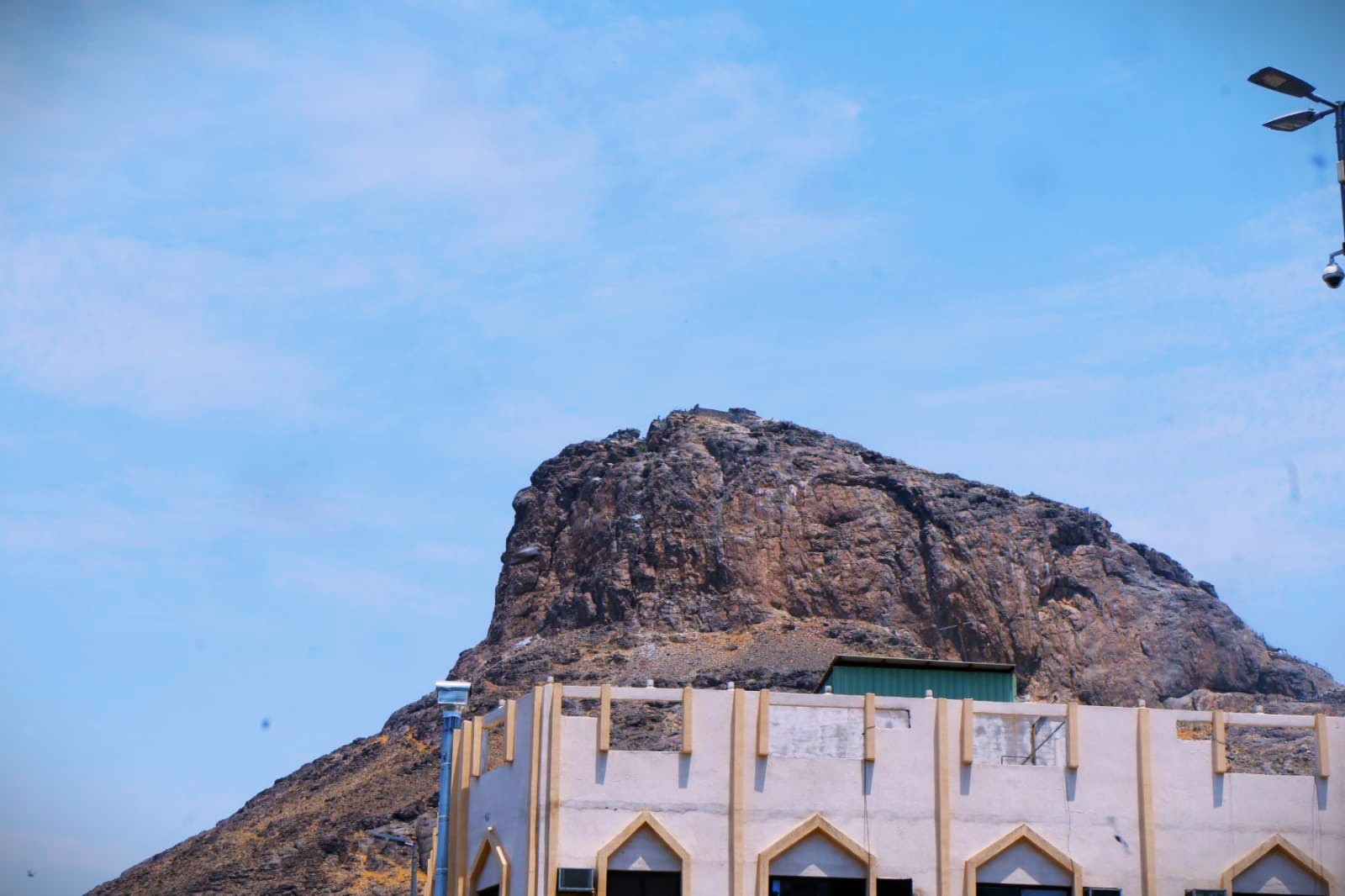
Jabal al-Nour and the Cave of Hira (غار حراء)
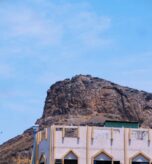
Jabal al-Nour (Mountain of Light) rises approximately 640 meters above sea level, roughly 3.5 kilometers northeast of Masjid al-Haram. At its summit sits Ghar Hira (Cave of Hira) — a small cave roughly 4 meters long and 1.5 meters wide where Prophet Muhammad (PBUH) would retreat for tahannuth (spiritual retreat and contemplation) before prophethood.
It was here, in the year 610 CE during the month of Ramadan, that Angel Jibreel (Gabriel) appeared to the Prophet with the first revelation: “Read! In the name of your Lord who created…” (Surah Al-Alaq, 96:1). This moment marks the beginning of the Quranic revelation and the prophetic mission that would transform Arabia and the world.
Visiting tips:
- The climb to Cave Hira takes 45–90 minutes depending on fitness level; it involves steep, uneven steps
- Start early morning or late afternoon to avoid midday heat
- Wear comfortable walking shoes with good grip — the path is rocky
- Carry water; limited facilities exist on the mountain
- Elderly pilgrims and those with mobility issues may prefer to view the mountain from its base
- The cave itself is small — only a few visitors can enter at a time
The climb is physically demanding but spiritually profound. Pilgrims often describe standing at the cave entrance as one of the most moving experiences of their entire Umrah journey.
Jabal Thawr and the Cave of Thawr (غار ثور)
Jabal Thawr (Mount Thawr) lies south of Makkah, approximately 4 kilometers from Masjid al-Haram. At its summit is Ghar Thawr (Cave of Thawr) — the cave where Prophet Muhammad (PBUH) and Abu Bakr as-Siddiq (RA) hid for three days during the Hijrah (migration) to Madina in 622 CE.
When the Quraysh placed a bounty on the Prophet’s head and searched the mountains surrounding Makkah, Allah commanded a spider to weave a web across the cave entrance and a dove to nest nearby — creating the appearance that no one had entered the cave for a long time. The Quraysh search party stood at the very entrance but did not look inside. Abu Bakr (RA), fearing discovery, whispered that if the enemies looked down, they would see them. The Prophet (PBUH) reassured him with words recorded in the Quran: “Do not grieve; indeed Allah is with us” (Surah At-Tawbah, 9:40).
Visiting tips:
- The climb is significantly more challenging than Jabal al-Nour — allow 2–3 hours round trip
- Not recommended for elderly pilgrims, young children, or those with heart conditions
- Best attempted in cooler months or early morning during summer
- Hire a knowledgeable driver who knows the access route — Nexa Transports ziyarat tours include Thawr visits with appropriate vehicle access to the base
Jabal Thawr represents the ultimate test of faith during the Hijrah — a story of divine protection and unwavering trust in Allah that resonates with every pilgrim who makes the climb.
Jannat al-Mu’alla (مقبرة المعلاة)
Jannat al-Mu’alla (The Most Exalted Cemetery) is Makkah’s oldest and most sacred burial ground, located near the base of Jabal al-Nour on the road to Mina. It is the resting place of many of the Prophet’s closest family members and companions who died before the Hijrah to Madina.
Notable figures buried here include:
- Khadijah bint Khuwaylid (RA) — The Prophet’s first wife, his strongest supporter during the earliest and most difficult years of Islam. She was the first person to accept his message and the first Muslim.
- Abu Talib — The Prophet’s uncle who protected him from the Quraysh despite not accepting Islam publicly
- Abd Manaf and other ancestors of the Prophet’s lineage
- Qasim and Abdullah — The Prophet’s infant sons who died in Makkah
- Numerous early companions and members of the Banu Hashim clan
The cemetery was closed to new burials and partially reconstructed as part of Makkah’s expansion projects. While individual graves are no longer marked, the site remains a place of reflection and dua for pilgrims who wish to honor those who supported Islam in its most vulnerable period.
Visiting tips:
- Accessible by vehicle — no climbing required
- Visit during daylight hours; respectful, quiet demeanor expected
- Make dua for the deceased rather than specific grave identification
- Combine with Jabal al-Nour visit in a single Makkah ziyarat tour
Additional Makkah Ziyarat Sites
- Masjid al-Jinn — The mosque where a group of jinn listened to the Prophet reciting Quran and accepted Islam (Surah Al-Jinn)
- Birthplace of the Prophet — Now a library and museum in the Suq al-Layl area (currently under ongoing development)
- Mina, Muzdalifah, and Arafat — Primarily Hajj sites but meaningful to visit and understand during Umrah for educational context
- Masjid Aisha (Taneem) — Miqat station where Makkah residents and those already in Makkah enter Ihram for Umrah
Ziyarat Places in Madina — Historical Sites
Madina al-Munawwarah (The Illuminated City) holds a special place in every Muslim’s heart as the city of the Prophet. After the Hijrah in 622 CE, Madina became the center of the Islamic state, the community of believers, and the revelation of many Medinan surahs. Ziyarat in Madina connects pilgrims to fourteen years of prophetic history.
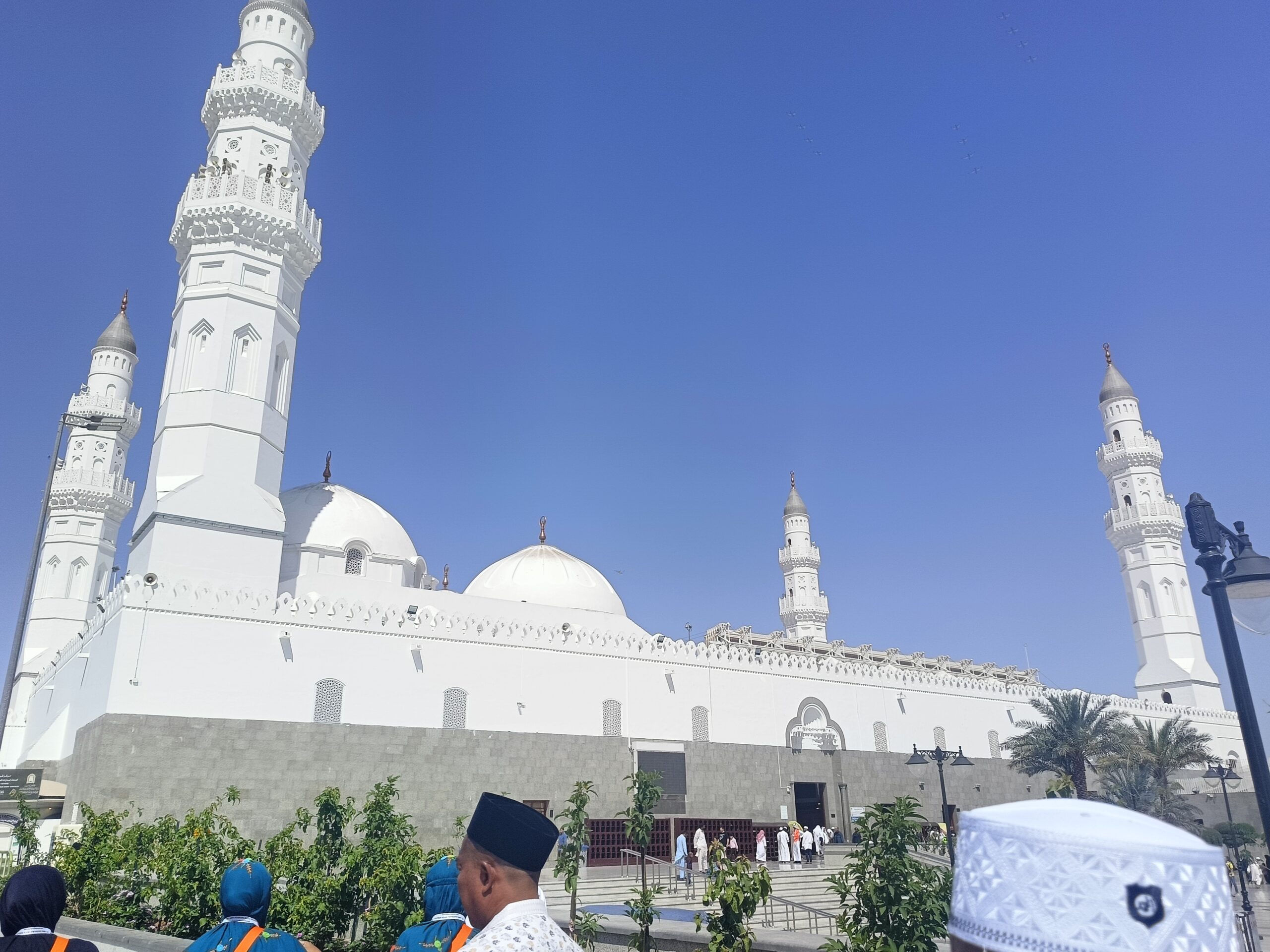
Masjid Quba (مسجد قباء)
Masjid Quba holds the distinction of being the first mosque built in Islam. When Prophet Muhammad (PBUH) arrived in Madina during the Hijrah, he stayed in Quba for fourteen days while awaiting the completion of his house and Masjid an-Nabawi. During this period, he personally participated in laying the foundation stones of Masjid Quba.
The Prophet (PBUH) said: “Whoever performs wudu at home and then comes to Masjid Quba and offers prayer in it, will be rewarded like that of an Umrah” (reported by Ahmad, Ibn Majah, and others). This hadith makes Masjid Quba one of the most spiritually rewarding visits during your Madina stay.
The current mosque, expanded significantly in modern times, features beautiful white architecture, spacious prayer halls, and serene courtyards. It is located approximately 5 kilometers south of Masjid an-Nabawi.
Visiting tips:
- Visit on Saturday if possible — the Prophet would go to Quba every Saturday
- Perform wudu before arriving to fulfill the sunnah of the visit
- Allow 45–60 minutes for prayer and reflection
- Easily accessible by car; included in all standard Madina ziyarat tours
Masjid al-Qiblatain (مسجد القبلتين)
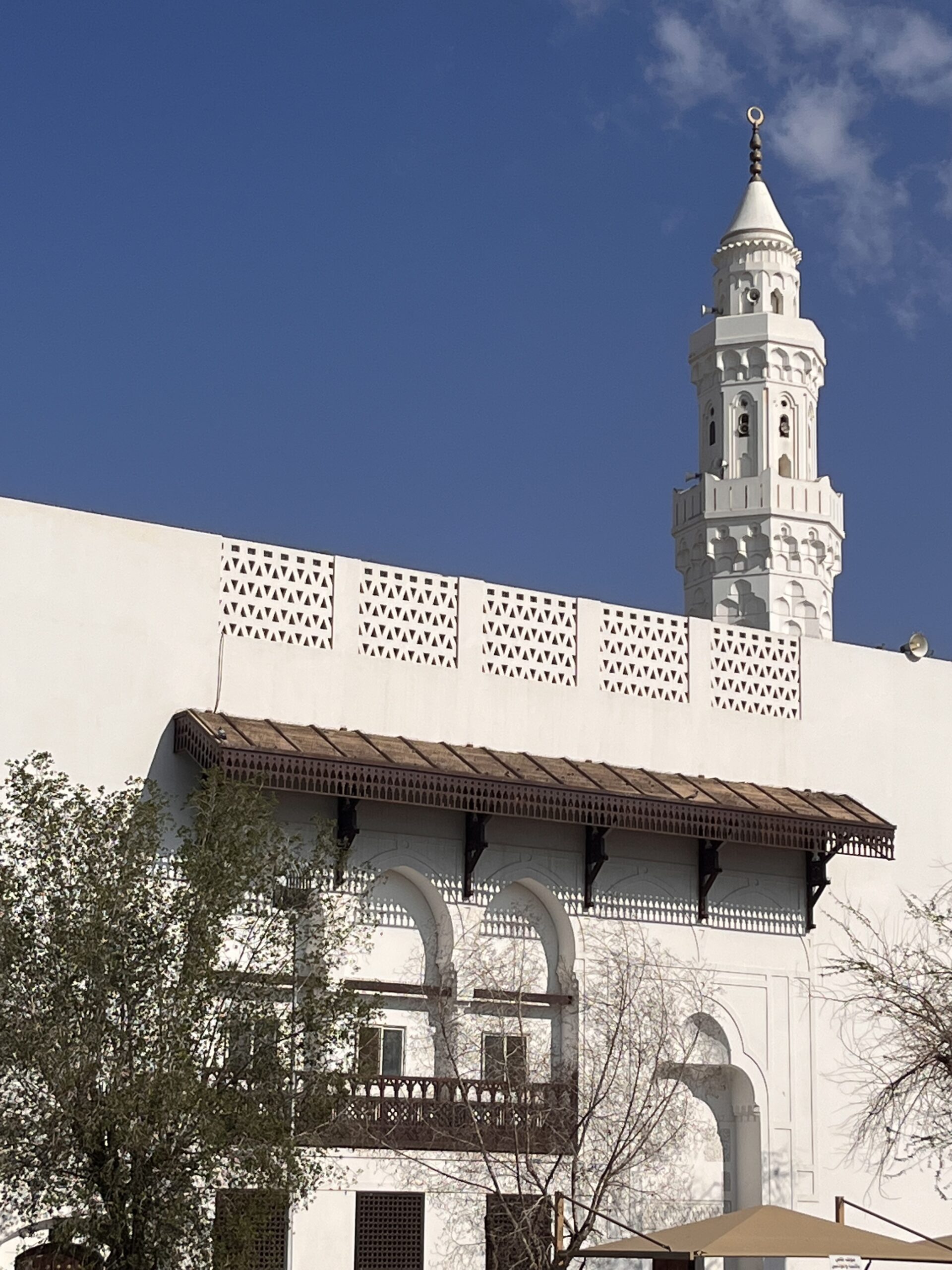
Masjid al-Qiblatain (Mosque of the Two Qiblas) is where the Qibla (direction of prayer) was changed from Jerusalem (Masjid al-Aqsa) to Makkah (Masjid al-Haram) during a congregational prayer. This momentous event occurred approximately 16–17 months after the Hijrah, based on the revelation of Surah Al-Baqarah, verse 144.
Imagine the scene: the Prophet (PBUH) was leading Maghrib prayer facing Jerusalem when the divine command came to turn toward the Kaaba. He turned mid-prayer, and the entire congregation followed. The mosque’s name — “Two Qiblas” — commemorates this unique moment when both directions were honored in a single prayer.
The original mosque has been expanded and renovated, but the historical significance remains deeply felt by every visitor who prays within its walls.
Visiting tips:
- Located on the road between Masjid an-Nabawi and Masjid Quba — easy to combine in one tour
- Allow 20–30 minutes for prayer and reflection
- Excellent opportunity to teach children about this pivotal moment in Islamic history
Mount Uhud and the Martyrs of Uhud (جبل أحد)
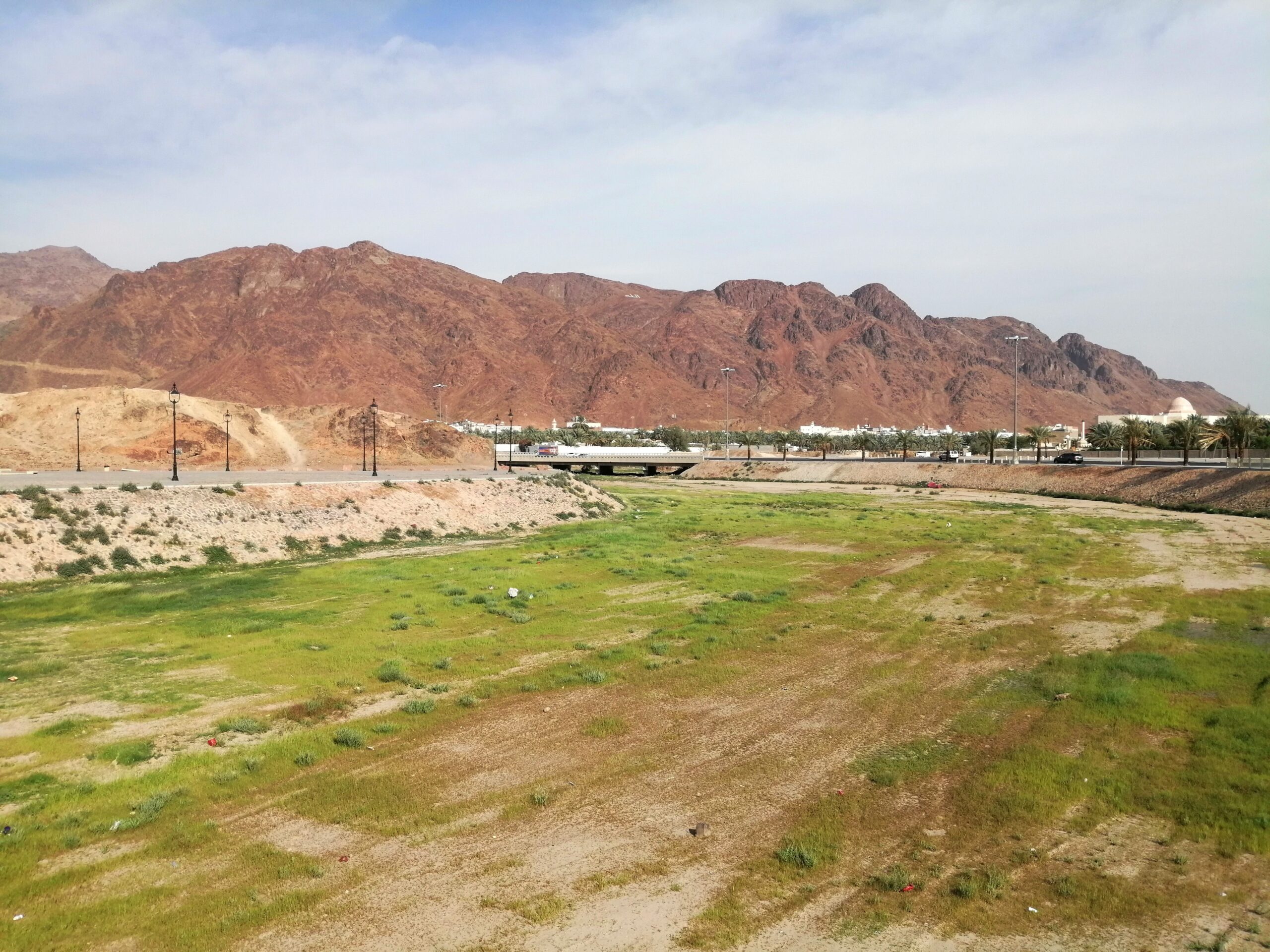
Mount Uhud lies north of Masjid an-Nabawi, approximately 5 kilometers from the city center. It was the site of the Battle of Uhud on 3 Shawwal, 3 AH (625 CE) — the second major military encounter between the Muslims of Madina and the Quraysh of Makkah.
The battle began favorably for the Muslims but turned when archers stationed on a hill disobeyed the Prophet’s command to hold their position, leaving the Muslim flank exposed. Hamza ibn Abdul-Muttalib (RA) — the Prophet’s uncle and “Lion of Allah” — was martyred. Approximately 70 companions lost their lives. The Prophet (PBUH) himself was injured, and rumors spread that he had been killed.
The Prophet (PBUH) said about Mount Uhud: “Uhud is a mountain that loves us and we love it” (Bukhari and Muslim). This hadith transforms the mountain from a battlefield into a symbol of mutual love between the Prophet and the land of Madina.
At the base of Uhud lies the cemetery of the martyrs of Uhud, including Hamza (RA). Pilgrims visit to make dua for the shuhada (martyrs) and reflect on the sacrifices that preserved the early Muslim community.
Visiting tips:
- Accessible by vehicle to the base; minimal walking required at the cemetery
- Visit the archers’ hill (Jabal al-Rumah) for historical context
- Allow 60–90 minutes for the full Uhud circuit
- Emotional site — prepare for a reflective, quiet visit
Jannat al-Baqi (بقیع الغرقد)
Jannat al-Baqi (The Garden of Baqi) is the main cemetery of Madina, adjacent to Masjid an-Nabawi on its southeastern side. It is one of the most sacred burial grounds in Islam, often called the most virtuous cemetery on Earth after Jannat al-Mu’alla in Makkah.
Many of the most beloved figures in Islamic history rest here:
- Usman ibn Affan (RA) — Third Caliph of Islam
- Halimah as-Sa’diyyah (RA) — The Prophet’s wet nurse who cared for him in the desert
- Ibrahim (RA) — The Prophet’s infant son who died in Madina
- Al-Hasan ibn Ali (RA) — Grandson of the Prophet
- Multiple wives of the Prophet (RA) — Including Aisha, Sauda, Hafsa, and others
- Imam Malik ibn Anas — The great jurist and founder of the Maliki school
- Imam Nafi’ — Scholar and reciter of Quran
- Thousands of companions (Sahaba) and tabi’in (followers of companions)
The Prophet (PBUH) would visit Baqi regularly and make dua for its inhabitants. After the expansion of Masjid an-Nabawi, Baqi remains accessible through designated visiting periods, though individual grave markers have been simplified as part of preservation efforts.
Visiting tips:
- Check current visiting hours — access times may vary by season and gender
- Walk from Masjid an-Nabawi if staying nearby (5–10 minutes)
- Make general dua for all inhabitants rather than seeking specific graves
- One of the most emotionally powerful ziyarat experiences in Madina
Additional Madina Ziyarat Sites
- Masjid an-Nabawi and the Rawdah — While primarily for prayer, visiting the Rawdah (the area between the Prophet’s house and his minbar) is among the most blessed acts in Madina. Book through the Nusuk app.
- The Seven Mosques (Sab’a Masajid) — Cluster of small historical mosques on the route of the Battle of the Trench (Khandaq)
- Site of the Battle of the Trench (Khandaq) — Where the Muslims dug a defensive trench under the Prophet’s direction
- Date farms and wells — Including Bir Ghars and other wells the Prophet visited
- Mount Badr — Site of the first major battle of Islam (approximately 150 km from Madina; full-day trip)
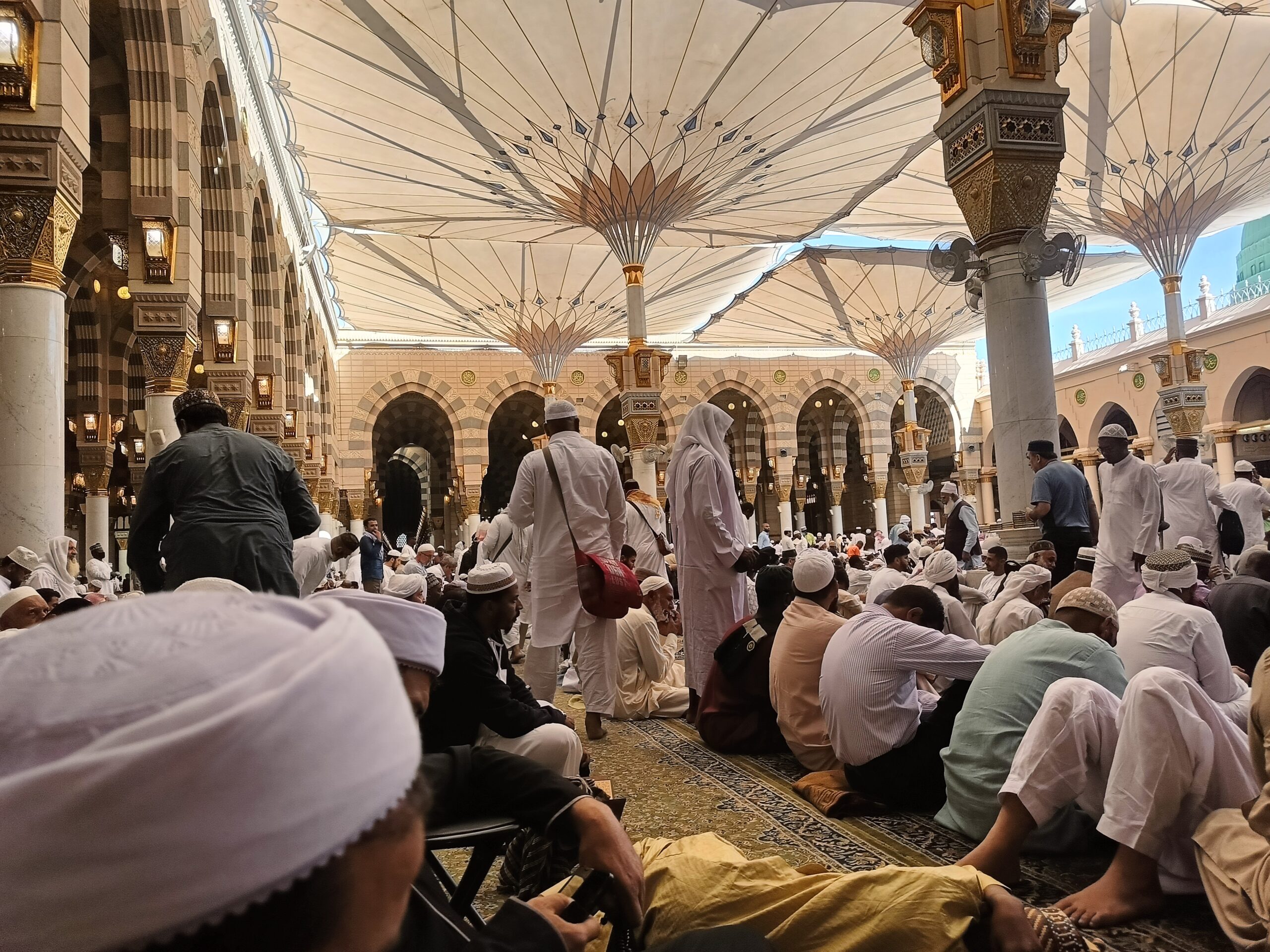
Planning Your Ziyarat Itinerary
Efficient ziyarat planning maximizes spiritual benefit while avoiding exhaustion — especially important for elderly pilgrims and families with children. Here is a recommended schedule:
| Day | City | Sites | Duration |
|---|---|---|---|
| Day 1 | Makkah | Jabal al-Nour (Hira) + Jannat al-Mu’alla | Half day |
| Day 2 | Makkah | Jabal Thawr + Masjid al-Jinn | Half day |
| Day 3 | Madina | Masjid Quba + Masjid al-Qiblatain | 2–3 hours |
| Day 4 | Madina | Mount Uhud + Jannat al-Baqi | Half day |
| Optional | Madina | Seven Mosques + Battle of Trench sites | 2–3 hours |
Choosing the Right Vehicle for Ziyarat Tours
Ziyarat routes involve city driving, highway segments, and sometimes mountain access roads. Vehicle choice affects comfort and cost:
- Sedan — Couples and solo pilgrims; city ziyarat in Madina
- GMC Yukon — VIP families; Makkah mountain ziyarat with elderly passengers who may not climb but want to visit base areas
- Hyundai Staria — Mid-size families; comfortable for combined Quba + Qiblatain + Uhud tours
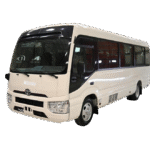
- Toyota Hiace — Groups of 7–11; most popular for community ziyarat bookings
View our complete transport fleet and book ziyarat as part of your hotel and transport package for the best rates on our pricing page.
Etiquette and Spiritual Preparation for Ziyarat
- Enter each site with humility and awareness of its historical significance
- Read about each location before visiting — knowledge deepens the experience
- Make dua for the deceased at cemeteries; do not wail or perform innovated rituals
- Dress modestly at all sites — the same standards as Masjid al-Haram apply
- Photography is permitted at most outdoor sites but prohibited inside active prayer areas
- Carry a pocket Seerah book or use a reputable ziyarat guide app
- Do not rush — allow time for reflection at each location
Frequently Asked Questions
What are the most important ziyarat places in Makkah during Umrah?
The essential Makkah ziyarat sites are Jabal al-Nour (Cave of Hira) where the first revelation descended, Jabal Thawr (Cave of Thawr) where the Prophet hid during Hijrah, and Jannat al-Mu’alla where Khadijah (RA) and other early Muslims are buried. Also visit Masjid al-Jinn and Masjid Aisha at Taneem. Nexa Transports arranges dedicated Makkah ziyarat tours — contact +966 54 128 9379.
What ziyarat sites should I visit in Madina?
Priority Madina ziyarat includes Masjid Quba (first mosque in Islam), Masjid al-Qiblatain (mosque of two Qiblas), Mount Uhud and the martyrs’ cemetery, and Jannat al-Baqi where Usman (RA), Imam Malik, and many companions rest. Also consider the Seven Mosques from the Battle of the Trench. Book transport via our fleet page.
How long does the Cave of Hira climb take?
The climb to Cave of Hira on Jabal al-Nour takes approximately 45–90 minutes depending on fitness level, plus 20–30 minutes at the cave. Start early morning or late afternoon to avoid heat. The climb is not suitable for elderly pilgrims or those with mobility issues — they can visit Jannat al-Mu’alla and view the mountain from its base instead.
Can elderly pilgrims do ziyarat in Makkah and Madina?
Yes. Many ziyarat sites are vehicle-accessible: Jannat al-Mu’alla, Jannat al-Baqi, Masjid Quba, Masjid al-Qiblatain, and the Uhud cemetery require minimal walking. Mountain climbs (Hira and Thawr) are challenging and optional. Nexa Transports provides GMC Yukon and Staria vehicles for comfortable ziyarat tours tailored to elderly pilgrims.
How do I book a ziyarat tour with Nexa Transports?
Message us on WhatsApp at +966 54 128 9379 or submit the contact form with your preferred dates, group size, and cities (Makkah, Madina, or both). We provide experienced drivers who know every ziyarat site and can customize half-day or full-day itineraries. Combine with Makkah hotel and Madina hotel bookings for package savings.
Is ziyarat included in Umrah packages from Nexa Transports?
Ziyarat tours are available as an optional add-on to any hotel and transport package. Many pilgrims add Makkah ziyarat (1–2 days) and Madina ziyarat (1–2 days) to their itinerary. View combined rates on our pricing packages page or request a custom quote via WhatsApp.
Book Your Ziyarat Transport with Nexa Transports
Walking in the footsteps of the Prophet (PBUH) and his companions is among the most profound experiences of Umrah. Let Nexa Transports handle the logistics — experienced drivers, comfortable vehicles, and flexible itineraries — so you can focus entirely on reflection, dua, and connection to Islamic history.
Contact Nexa Transports today or message us on WhatsApp at +966 54 128 9379 to book ziyarat tours in Makkah and Madina. Combine with Makkah hotels, Madina hotels, and our full transport fleet for a complete Umrah experience.
Related Umrah Guides from Nexa Transports
- Best Makkah Hotels Near Haram for Umrah 2026
- Best Madina Hotels Near Masjid Nabawi for Umrah 2026
- Jeddah Airport to Makkah Transfer Guide 2026
- Umrah Transport Fleet Guide Saudi Arabia
- Umrah Travel Guide from Pakistan 2026
- Ziyarat Places in Makkah and Madina
- Umrah Hotel & Transport Pricing Guide 2026
- Toyota Hiace vs GMC Yukon for Umrah Groups
Need help booking? Contact Nexa Transports or WhatsApp +966 54 128 9379.